
NFC Tags for Jewellery Authentication
Use CaseTamper-evident tags that prove authenticity and link to certificates

At a glance
NFC authentication tags for jewellery brands. Tamper-evident, anti-counterfeit verification, warranty registration, and certificate linking.
SEE THE IDEA IN ACTION
Small object. More to discover.
Connect a piece to its digital record. A suitably sized tag and a product record.
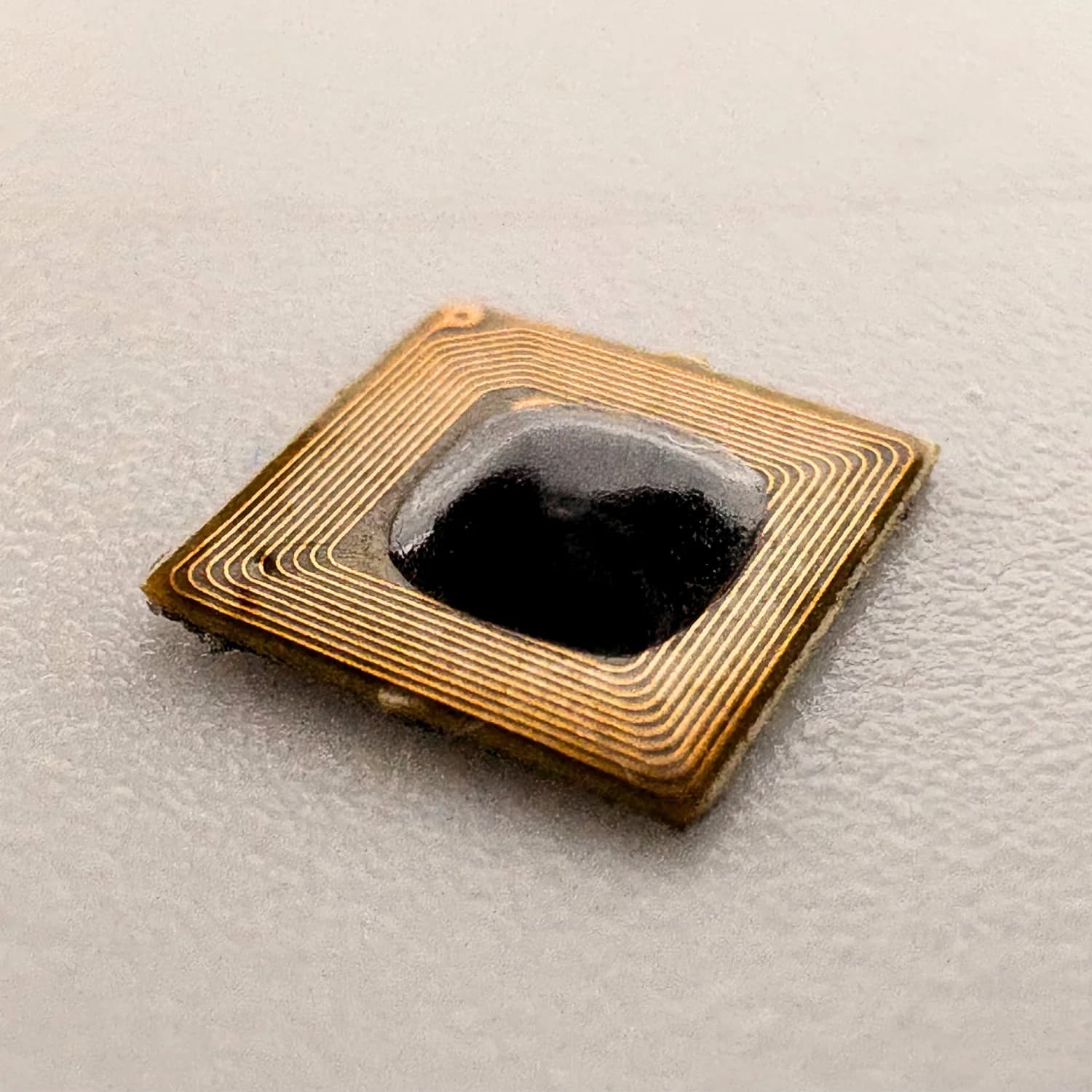
Micro NFC Tags for Jewelry, Wearables & Metal Products
- 01Choose the chip, size and metal compatibility.
- 02Connect the identifier to the product information.
- 03Test the completed piece with the intended reader.
The Problem
Jewellery counterfeiting costs the industry billions. Paper certificates are easy to fake. Customers want proof of authenticity at the point of sale and years later for resale. An NFC tag on the packaging or certificate links to a unique, verifiable digital record that cannot be cloned.
Who This Is For
- Jewellery manufacturers and brands
- Retail jewellers wanting to prove authenticity
- Luxury packaging companies
- Warranty and after-sales teams
What Opens on Tap
Authenticity verification page
Unique tag ID checked against the brand database. Shows genuine or flagged.
Warranty registration
Customer registers ownership. Activates warranty period automatically.
Product story & certificate
Gemstone origin, purity, weight, and hallmark details — the digital certificate.
Resale verification
Second owner can verify authenticity using the same tag.
Where the Tag Goes
Jewellery box lid (inside)
Customer taps the box to verify. Clean, premium experience.
Certificate card
NFC-enabled authenticity certificate. Replaces or supplements paper.
Hang tag on piece
Small tag attached to the jewellery. Removed after purchase or kept for resale.
Packaging sleeve
Tag embedded in the outer packaging. First touchpoint for unboxing.
Display case placard
In-store display tag linking to product details and pricing.
Best Tag Types for This Use Case
Tamper-evident NFC sticker
Breaks visibly if removed. Proves the item has not been opened or swapped.
Not reusable. Use only where one-time verification is the goal.
Micro NFC tag
Tiny form factor fits inside small jewellery boxes or on hang tags.
Shorter read range than standard tags. Test with your packaging first.
NFC card
Rigid card format works as a premium authenticity certificate.
Too large to attach directly to jewellery pieces.
On-metal NFC tag
Works on metal display cases and near metal jewellery.
Thicker than standard tags. Not ideal for thin packaging.
Quick Decision Rules
- 1Anti-counterfeit is the priorityUse tamper-evident tags
- 2Premium unboxing experienceNFC card as certificate
- 3Metal jewellery displayOn-metal tags required
- 4Small packagingMicro NFC tags
- 5Warranty trackingEncode unique serial, link to registration page
Recommended Deployment Setups
Single piece tagging
- One tag per jewellery piece. Encode with unique product ID at the counter.
Showroom display
- Tags on display placards link to product details. Staff scans for pricing.
E-commerce packaging
- Tag inside the box for unboxing verification. Builds trust post-delivery.
Wholesale distribution
- Pre-tagged packaging for B2B shipments. Retailer verifies authenticity on receipt.
Common Mistakes to Avoid
- Placing standard tags on metal surfaces (they will not scan)
- Using generic stickers that can be peeled and reattached
- Not encoding a unique ID per piece (shared URLs defeat the purpose)
- Making the verification page hard to use on mobile
- Forgetting that customers need to scan years later — keep the URL alive
Frequently Asked Questions
NXP chips have a factory-burned unique ID (UID) that cannot be changed. Your verification system checks this UID against your database. Cloning the data without matching the UID will fail verification.
Need authentication tags for your jewellery line?
We supply tamper-evident NFC tags with unique IDs, pre-encoded for your verification system. Custom packaging available.