

LINQS NFC NTAG213 White Laundry Button Tag
This item is currently out of stock.
Leave your details below and we will contact you before the next batch is available.
Input credit eligible for businesses
Genuine NXP NTAG chip
not a clone
GST invoice
input-credit eligible
Ships in 1 working day
from India
Defect replacement
manufacturing defects
Selected: 1 pack × 10 items = 10 items · ₹1,100.00 total

Fitted into a seam, care label, or pouch during make-up.
Best for single link or contact card.
Built for the wash cycle
What this tag survives between the garment leaving your line and coming back from the laundry.
- Wash and dry heat-20°C to +150°C
Covers hot wash, tumble dry, and tunnel finishing.
- Press and store-30°C to +180°C
Short peaks such as pressing and steam tunnels sit inside this window.
- Sealed bodyIP68
Supplier datasheet + LINQS in-house test. Not third-party certified — treat it as our claim, not a certificate.
- Laundry chemistryResists laundry detergent, bleach and dry-cleaning solvent
- How it attachesSew-through holes, Sewn into seam, Care-label pouch
Fit it during garment make-up, not after the customer has it.
- Read range0-40 mm, varies by phone and environment
Through a single layer of fabric. Thick seams and stacks reduce it.
- Profile in the garment25 mm
Check it against your seam allowance and how it feels through the cloth.
- Rated wash cyclesNot published
We will not quote a cycle count we have not tested. Ask us for a wash-trial sample before a production run.
Temperature and sealing figures come from the tag manufacturer datasheet; LINQS has verified submersion in-house but has not third-party certified them. Run a wash trial on your own cycle, detergent, and press before committing a production batch.
Buyer check
Where this laundry tag fits
Fit this tag into a garment or linen item so it keeps a permanent identity through washing, drying, and pressing. Each tag carries a unique ID your laundry, rental, or production system can read with a phone.
Fit it into the garment, not onto it
Stitch it through the holes into a side seam, waistband, or care label during make-up. Keep it flat against the fabric and out of the wearer's contact points, then check the scan once the garment is finished.
Encode a garment ID, not a document
Write a short item ID or URL and keep the garment record in your own system. That way the wash count, owner, and repair history can change without ever rewriting the tag.
Compare chip capacitySet it up, then test before rollout
- 1Encode a unique ID per garment: Write a short item ID or URL and hold the garment record in your own system, so the tag never has to be rewritten.
- 2Fit it during make-up: Sew it into a seam or care label, or enclose it in a pouch or bonded patch before the garment is finished.
- 3Run a wash trial first: Put a small batch through your real cycle, detergent, dryer, and press, then re-scan every tag before committing a production run.
Choose a bigger disc for longer read range
A larger diameter reads further through folded fabric. Choose the smallest disc your read distance allows, because it is the one wearers stop noticing.
Compare laundry tag sizesNot for tagging metal racks or trolleys
This tag is made for textiles. Use an on-metal tag for the cage, rack, or trolley the garments travel in.
Browse on-metal tagsChoose NTAG216 if you must store data on the garment
Use a higher-memory chip for long URLs, full vCards, or larger text payloads.
Compare chip capacityChip: NTAG213 (NXP original). Capacity: 1× (baseline).
Quick answers
Use this when
- Uniform and workwear tracking
- Hotel and hospital linen
- Garment production and QC
- Rental and laundry returns
Specs
- Chip Brand
- NXP
- User Memory
- 144 bytes
- Ingress Protection
- IP68
- NFC Chip Model
- ntag213 (NXP original)
- Data Retention
- 10
- Scan Strength
- Good
Compatibility
- Android varies by model; iPhone 7/8/X via reader app; iPhone XS+ background reading
- Not rated for metal surfaces
Physical & build
Specifications
Key specs first; full technical details on demand
Proof + documents
Captured in the LINQS lab.
Documents
Customers also chose
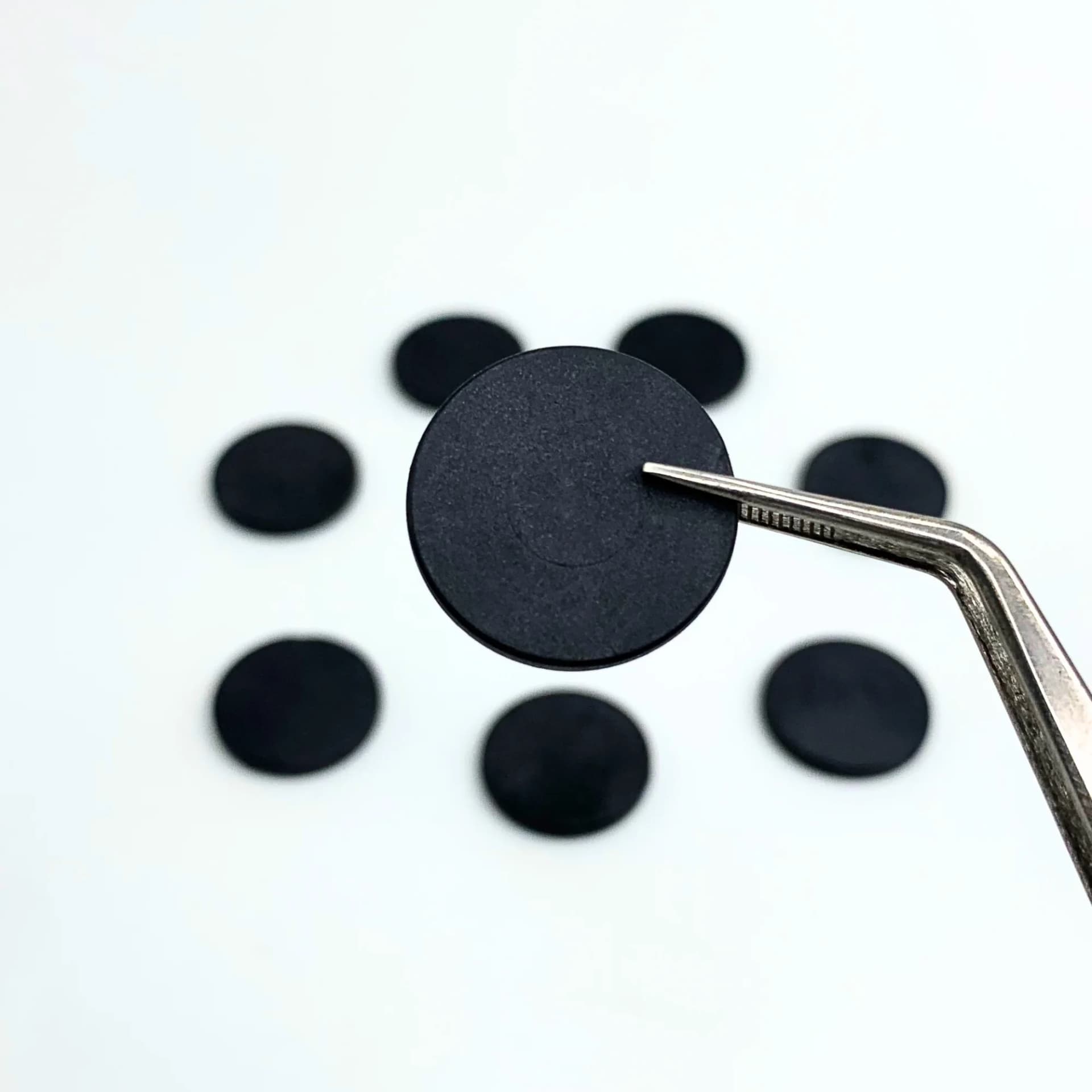 pps
ppsLINQS NFC NXP NTAG213 Black No-Hole Laundry Tag Button 20mm
20 mmClosest match — same chip and material
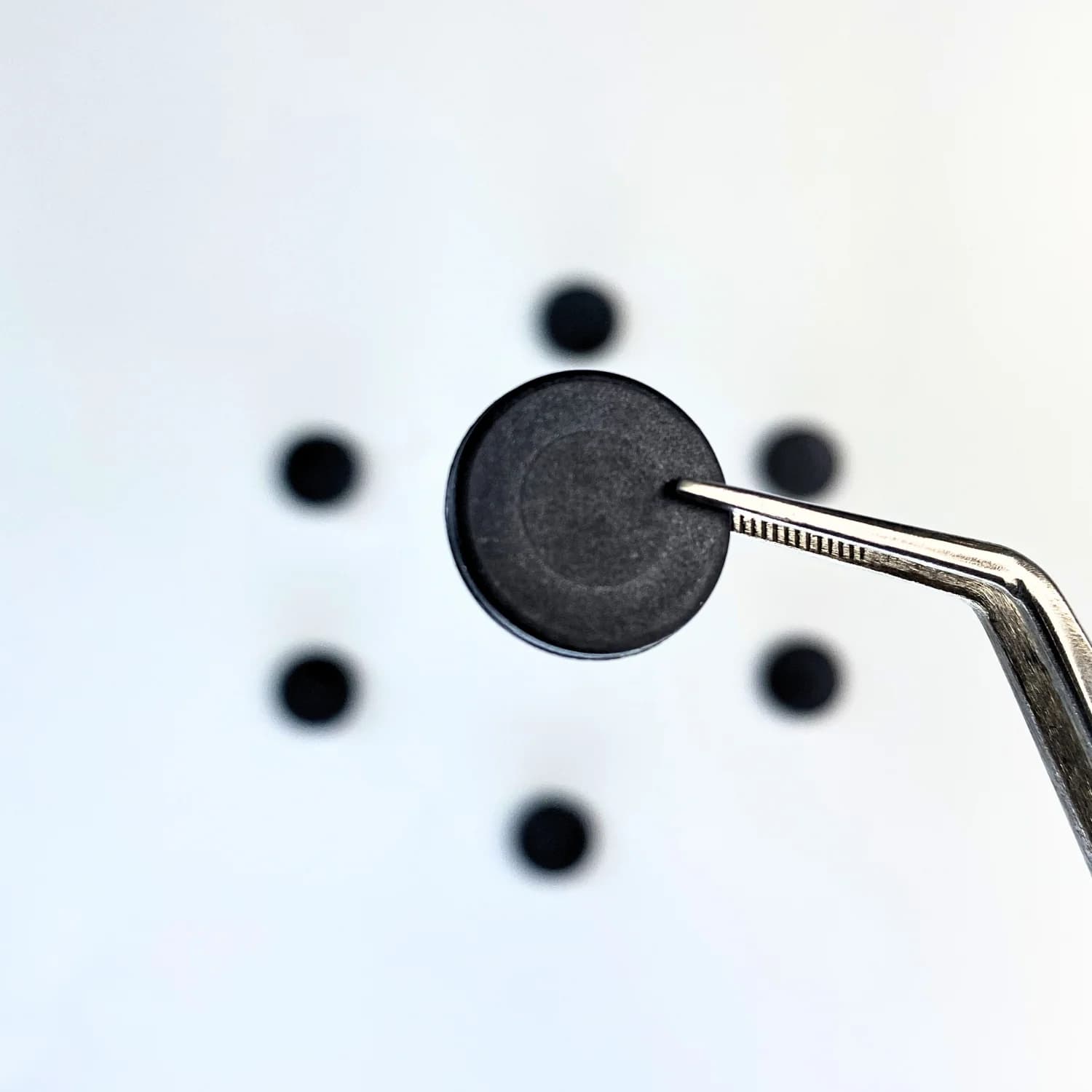 pps
ppsLINQS NFC NXP NTAG213 Black No-Hole Laundry Tag Button 15mm
15 mmClosest match — same chip and material
 pps
ppsLINQS NFC NXP NTAG213 Black Laundry Tag Button
25 mmClosest match — same chip and material
 pps
ppsLINQS NFC NXP NTAG213 White Laundry Tag Button 15mm
15 mmClosest match — same chip and material
Frequently Asked Questions
Stitch it through the holes into a side seam, waistband, or care label during make-up. Keep it flat against the fabric and out of the wearer's contact points, then check the scan once the garment is finished.
Have more questions? View all FAQs
Replacement Policy
- Replacements available for manufacturing defects
- Video proof required for defect claims
- Custom/encoded items are non-returnable
- GST invoice included with every order